Thinking About Becoming a Teacher in New York? Here’s the Realistic Path from Where You Are Now
You’ve been thinking about it for a while. Maybe a friend who switched careers told you how meaningful the work is. Maybe you’re a paraprofessional who’s been doing the job in everything but title. Maybe you grew up speaking two languages and keep noticing how badly schools need that. Whatever brought you here, the question is the same: can I actually do this, and how long will it take?
The short answer is yes — and the path is shorter than most people think, especially in New York right now.
New York is short on teachers, and the shortages are specific
New York is in the middle of a sustained teacher shortage, and it isn’t evenly spread. Special education, bilingual education, TESOL (teachers of English to speakers of other languages), and early childhood are the areas where the demand is sharpest. That matters for you because districts are actively hiring, mentoring, and in some cases helping new hires finish certification while they teach.
It also means the credentials you choose to earn now will still be in demand when you finish.
You probably have more of a head start than you realize
The path to certification looks different depending on where you’re starting from. A few common cases:
You already have a bachelor’s degree in another field. A master’s program designed for career changers gets you to initial certification in 2–3 years, often with classes scheduled around full-time work. If you want to teach the early grades, our UMSV master’s programs cover early childhood, childhood, special education, and TESOL, with online options available to anyone in NY State.
You’re a paraprofessional or teacher’s aide. You’ve already been in classrooms, you know the kids, and you know the building. What you need is the academic credential. You qualify for the same master’s pathways as career changers, and your in-school experience is an asset — not just for student teaching placement but for landing your first teaching job.
You speak a second language fluently. This is one of the most undersupplied credentials in the state. Bilingual extensions and full bilingual education programs are designed for speakers of Spanish, Mandarin, Bengali, Haitian Creole, Arabic, and other languages spoken in NY schools. The fully online bilingual education program is built for working adults who don’t have time for a campus commute.
You’re already certified and want to add a credential. A license extension in TESOL, bilingual education, or special education can be earned in far less time than a full master’s. Our license-extension courses are designed specifically for working teachers who want to expand what they’re certified to teach. Five class days will give you a three-credit graduate course. Most extensions are four courses long. You can complete one course during a week in the summer, or on weekends during the school year. These are online.
Is CITE the right program for you? Find out here.
What the program actually looks like
Most NY teacher certification programs share a few features. You take graduate coursework in your subject area, learn how to teach it (methods courses), study how kids learn (educational psychology, child development), and do a supervised student teaching placement near the end. You also pass the state’s certification exams along the way.
What’s changed in the last few years is how you take it. Our programs are online, synchronous, with teacher and class live in the zoom session. Classes meet on weekends and school breaks. What makes CITE different? Read about it here.
If the idea of going back to school after years away feels intimidating to you, that’s not unusual. Most career-changers in our programs haven’t been in a classroom as a student in a decade or more. The first semester is the adjustment period. After that, the rhythm sets in. YOu’re supported the whole way by your cohort and instructors, who are right there in the same boat.
What you can expect financially
Be honest with yourself about cost and time, because the romanticized version of “I’m going to become a teacher” tends to skip the part where you’re paying tuition while still working. NY teaching salaries vary by district, but starting salaries in NYC and many Long Island districts now exceed $60,000, with significant step increases over time and pension benefits that retain real value. Federal Teacher Loan Forgiveness and NYC-specific incentive programs can reduce loan burden if you teach in a high-need school or subject. It is worth running the numbers before you start, not after. CITE Programs cost significantly less than other comparable programs. Read more here.
A reasonable next step
If you’re at the “thinking about it” stage, the most useful thing you can do is have a 20-minute conversation with someone who can map out the specific certification path from where you actually are — your degree, your work history, the subject and grade level you want to teach. That conversation usually clarifies a year or more of guesswork.
Talk to an advisor about your teacher certification options →
You don’t have to have it all figured out before you reach out. That’s what the conversation is for.
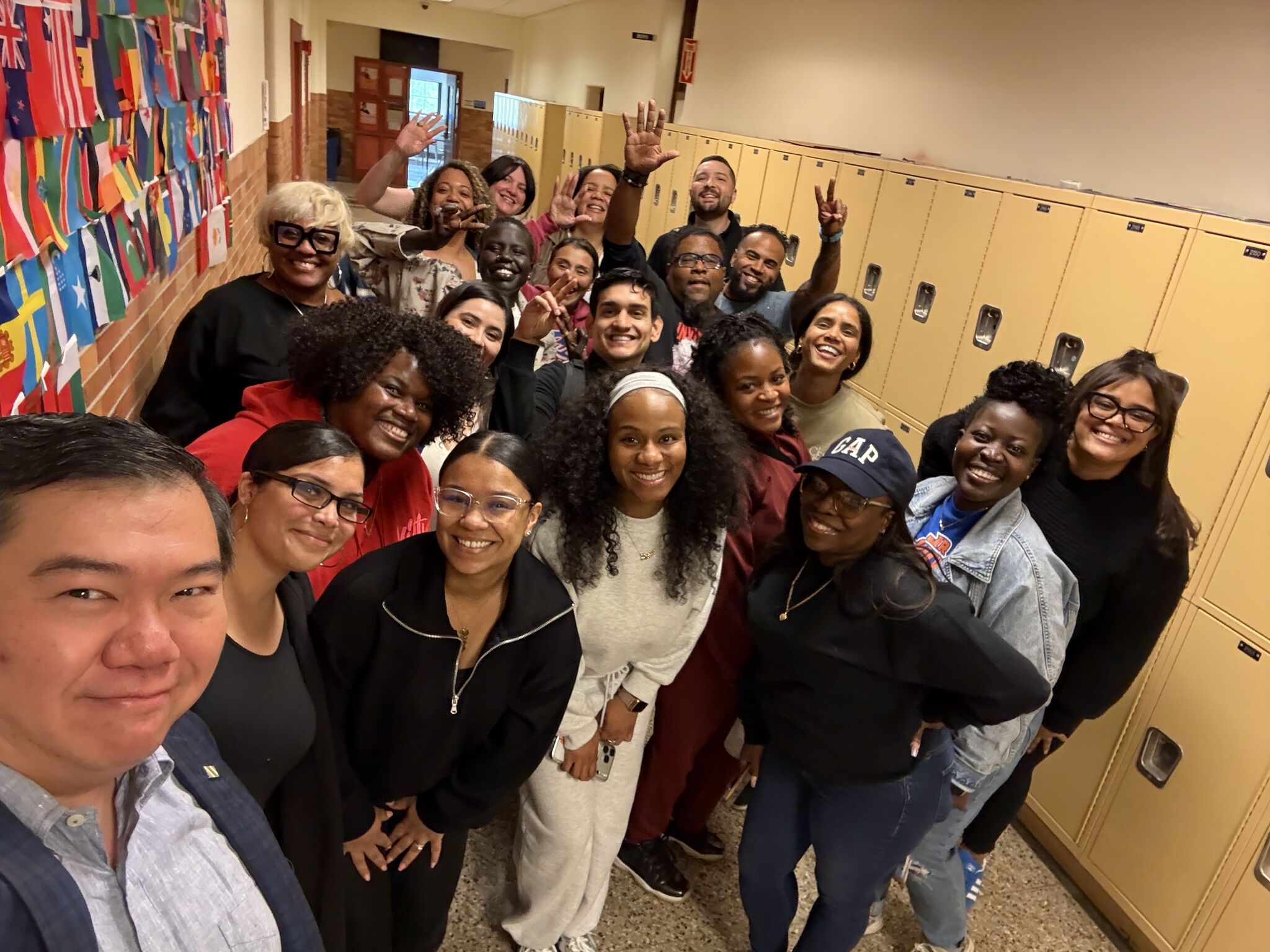
(The photo on this post is from a School Leadership cohort. CITE programs can take you from your first certification as a teacher through your teaching license extensions, administration degrees, all the way through your doctorate.)


