
The Future Identity of Education: What Happens When Schools Let Students Dream Out Loud
- By Brett Roer, Senior Director of AI Innovation and Professional Development at CITE Former New York City Bronx Public High School Principal
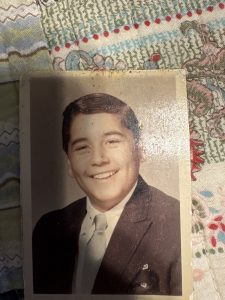
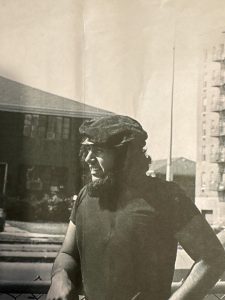
My dad grew up in the Bronx River housing projects, about a mile from PS 110X.
He was the first in his family to go to college. He wanted to be an elementary school teacher. He student taught in the South Bronx in the 1970s with my mother. A hiring freeze in New York City ended that dream before it started for both of them.
I called my dad after leaving PS 110X the day we unveiled the Future Identity Gallery Project. I told him about watching fifth graders scream each other’s names in the cafeteria as they saw AI-generated images of themselves in their future careers.

How nobody laughed. How everybody cheered the future aerospace engineers, judges, neurosurgeons.
My dad said he wished he had something like this in elementary school. Someone to show him at a young age all of the different possibilities available to him and how his passions could align with a future he could not yet imagine.
That conversation is why this work matters to me personally.
But the Future Identity Gallery Project is not a personal story. It is a model for what AI can do when it is deployed with intentionality, care, and a deep understanding of the communities being served.
During College and Career Readiness Week, fifth-grade scholars at PS 110X in Community School District 9 in the South Bronx were invited to reflect on who they are, what they care about, and who they imagine themselves becoming — all while strengthening writing skills aligned to 5th Grade ELA New York State standards.
Students wrote their futures. Their own words. Their own thinking. Their own “why.”
Educators then transformed those words into AI-generated visualizations where each scholar’s current self stood alongside their imagined future self.
The technology did not create the dreams. The students did. AI was simply the tool that made those dreams visible in a way that no poster board or essay assignment ever could.
And the result was something I have never experienced in over 20 years in education. A cafeteria full of ten and eleven year olds, in one of the most under-resourced neighborhoods in New York City, celebrating each other’s futures like it was the most natural thing in the world.
That is not a technology story. That is a school culture story.
Before the Future Identity Gallery Project could happen at PS 110X, the school had to be a place where kids felt safe enough to dream out loud. Principal Marisol Lockhart built that. Her meditation room, her food bank stocked with fresh produce, her culturally responsive hallways — those were the conditions that made the project possible.
This is the critical insight that gets lost in most conversations about AI in education: the technology is only as powerful as the environment it enters. AI does not build trust. Leaders do. AI does not create belonging. Schools do.
But when a school has already done that work — when the culture is strong, the leadership is grounded, and the students feel safe — AI can amplify what is already there in ways that are profound.
That is the vision behind CITE’s New York City AI Academy for Principals and Communities. Not AI as a replacement for human connection, but AI as a tool that strengthens it. Not AI as a shortcut, but AI as an accelerant for the good work schools are already doing.
The 21 CITE honorees being recognized at the Spring Gala — Night of Impact on March 26th are leaders who understand this. They are the principals, counselors, teachers, and district leaders who build the kind of school environments where a project like the Future Identity Gallery can land the way it did at PS 110X.
My dad never got to teach in the Bronx. But I know he would have loved this.
And I know the students at PS 110X will carry those images o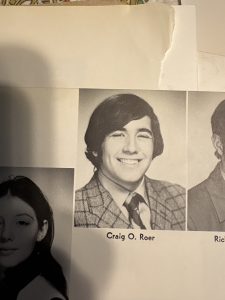

 f their future selves for a very long time — not because of the AI, but because their school believed in them first.
For over 30 years, CITE has and continues to train:


